Worried about your aging parent living alone? This simple tech gave me peace of mind
You know that nagging worry—when Mom says she’s fine, but you can’t shake the feeling something’s off? I felt it every time I hung up the phone. Then came a small device that changed everything. No more panic over missed calls or silence. Just quiet reassurance that she’s safe, moving normally, living freely. It didn’t control her life—it protected it. And honestly? It brought us closer. I wasn’t just checking in anymore. I was truly connecting. And for the first time in years, I could take a deep breath and trust that she was okay—even when I wasn’t there.
The Silent Anxiety No One Talks About
We all say we want our parents to live independently. We praise their strength, their stubbornness, their determination to stay in the home they raised us in. And we mean it. But beneath that pride is something quieter, heavier—worry. The kind that wakes you at 3 a.m. with no reason, just a hollow feeling in your chest. What if she fell? What if she didn’t answer the phone? What if she’s lying on the floor and no one knows?
I didn’t realize how much this fear shaped my days until I started tracking it. Missed calls. Unusual silence. A delayed text. Each one sent a jolt through me. I’d call back, pretending it was just a casual check-in, but my voice always carried that tiny edge of relief when she answered. I wasn’t alone in this. So many of us carry this invisible weight—the emotional tax of loving someone who’s aging alone.
And here’s the truth: it’s not about control. It’s not about doubting their ability to care for themselves. It’s about knowing how quickly things can change. A slip in the bathroom. A moment of confusion. A medication that doesn’t sit right. These aren’t rare. They’re part of aging. But they don’t have to be life-altering. What if we didn’t have to wait for a crisis to act? What if we could know—quietly, gently—when something was off, without hovering or invading privacy? That’s the shift I didn’t know I needed.
From Skeptic to Believer: My First Step Into Elder Monitoring
I’ll admit it—I rolled my eyes the first time I heard about “smart monitoring” for seniors. It sounded like something out of a sci-fi movie, or worse, a surveillance setup. I pictured cameras in every corner, microphones listening to every word. No thanks. My mom deserved privacy, not a digital watchdog.
But then my aunt told me about a small sensor she’d installed in her mom’s hallway. No cameras. No audio. Just a little disc on the wall that sensed movement. It learned her routine—when she got up, when she made coffee, when she went to bed. If something changed, like no movement by 9 a.m., it sent a quiet alert to her phone. That’s it. No drama. No invasion. Just awareness.
I was still skeptical. Until the day my dad called me at 4 p.m. to say he’d fallen in the kitchen at noon and hadn’t been able to get up for two hours. He didn’t want to worry me. He finally crawled to the phone. Two hours. I kept thinking about those 120 minutes—what if he’d hit his head? What if he’d needed oxygen? What if no one had known?
That night, I looked up elder monitoring systems. I wanted something simple, something non-intrusive. I found a few options, but one stood out: a motion-based system that used AI to learn daily patterns. No cameras. No apps with confusing dashboards. Just a small device that plugged into the wall. I ordered it the next day. Setup took less than 10 minutes. I didn’t tell my mom it was a “safety device.” I said it was a “smart home helper” that reminded her to turn off lights. She didn’t question it. And within a week, I stopped dreading the silence.
How Invisible Tech Became a Family Lifeline
The real power of this device isn’t in what it does—it’s in what it doesn’t do. It doesn’t buzz with constant alerts. It doesn’t flood your phone with notifications. It doesn’t feel like Big Brother. Instead, it works quietly in the background, learning what “normal” looks like for your parent.
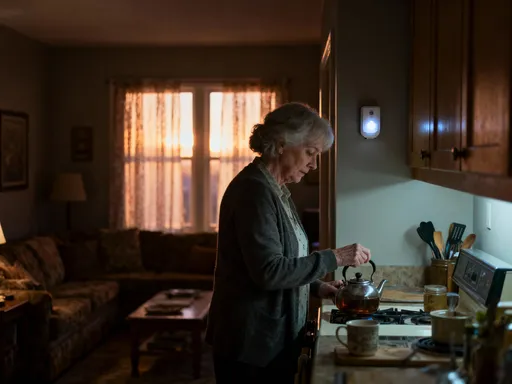
For my mom, normal means getting up around 7:15, making tea by 7:30, reading the paper by 8, and watering her plants by 9. The system learned this within a few days. Now, if she doesn’t move by 9:30 a.m., I get a gentle alert: “No activity detected. Would you like to check in?” It’s not a siren. It’s not a red flag. It’s a soft nudge—a whisper, not a shout.
And here’s what surprised me: it didn’t make me more anxious. It made me less. Because now, when the house is quiet, I don’t assume the worst. I check the app, and if the system shows she moved an hour ago, I know she’s okay. She might be napping, or reading, or just enjoying the quiet. The silence isn’t ominous anymore. It’s peaceful.
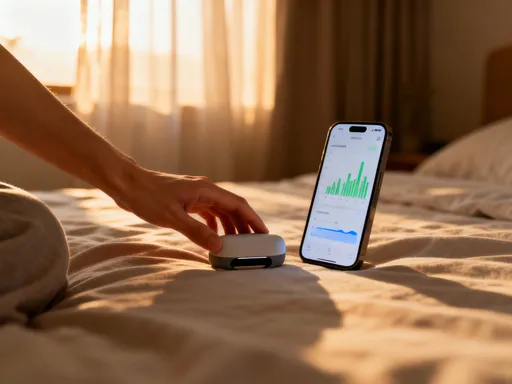
What’s even better? It’s not just about emergencies. It’s about patterns. When my mom started sleeping later, the system flagged it. I called, and she admitted she hadn’t been feeling well. We adjusted her routine, added a morning walk, and within days, her energy returned. The tech didn’t diagnose her—it gave me the signal to ask.
Privacy Without Panic: Balancing Care and Respect
I know what you’re thinking. “Isn’t this just a fancy way of spying?” I asked myself the same thing. I didn’t want to cross a line. My mom had always valued her independence, and I wasn’t about to undermine that with a gadget.
But here’s the difference: this isn’t surveillance. It’s not watching her. It’s not listening to her. It doesn’t record video. It doesn’t track her location. It doesn’t know what she’s saying or who she’s talking to. All it knows is movement—general, anonymous motion in key areas of the house.
And the beauty is, she doesn’t have to do anything. No buttons to press. No apps to open. No passwords to remember. She lives her life exactly as she always has. The device adapts to her, not the other way around.
What changed wasn’t her freedom—it was my peace of mind. And strangely, it improved our relationship. Instead of calling to ask, “Are you okay?”—which she always answered with “I’m fine, stop worrying”—I could say, “Saw you were in the garden this morning—did the tulips come up?” She’d light up. “Oh yes! The red ones are stunning this year.” That small shift—from suspicion to connection—meant everything.
It wasn’t about control. It was about care. And it didn’t make her feel watched. It made her feel loved. Because every time I called with a real question, she knew I was paying attention—not to her limitations, but to her life.
Real-Life Wins: Small Alerts, Big Relief
I used to think these devices were for “worst-case scenarios.” But the truth is, most of the alerts aren’t emergencies—they’re early warnings. And that’s where the real value lies.
One rainy Tuesday, the system didn’t detect any movement by 10 a.m. I called. No answer. I called her neighbor, who went over. She’d slipped in the bathroom, landed on the rug, and couldn’t get up. She wasn’t hurt badly, but she couldn’t reach her phone. Help arrived within minutes. Because of a small alert, she didn’t spend hours on the floor. She didn’t panic. She didn’t lose dignity. She got help—fast.
Another time, the system noticed unusual nighttime movement—several trips to the kitchen between 2 and 4 a.m. Not dangerous, but not normal for her. I mentioned it to her doctor during her next checkup. Turns out, her blood pressure medication was causing nocturia. They adjusted the dose. The nighttime wandering stopped. Again, not a crisis—just a quiet signal that led to a simple fix.
And then there was the day she forgot to turn off the stove. The kitchen sensor showed prolonged activity, but no exit. The system flagged it. I called. She’d dozed off while waiting for the water to boil. I walked her through turning it off. No fire. No danger. Just a moment of forgetfulness, caught before it became a problem.
These aren’t dramatic rescues. They’re small wins. But they add up. They’re the difference between living in fear and living with confidence. The tech didn’t replace my role as a daughter. It made me better at it. I wasn’t guessing anymore. I was responding—with care, with timing, with love.
Setting It Up Without the Stress
If you’re thinking, “I’m not tech-savvy,” I get it. I used to unplug my router when the Wi-Fi acted up. But setting up this system was easier than ordering groceries online.
Step one: choose a spot. The hallway near the bedroom works well. Or the living room. Anywhere with regular foot traffic. Plug in the device. It connects to Wi-Fi automatically. Download the app—most have simple, clean interfaces. Set up your parent’s profile: name, routine times, emergency contacts.
That’s it. No wiring. No drilling. No complex settings. The device starts learning within hours. After a few days, it knows what “normal” looks like. You can customize alerts—like “notify me if no movement by 9 a.m.” or “alert if kitchen activity after midnight.”
The best part? Your parent doesn’t need to do a thing. No learning curve. No new habits. No passwords. They don’t even need a smartphone. The system works silently, in the background. It’s not about changing their life. It’s about protecting it—without them noticing.
And if you’re worried about false alarms? Most systems have a “grace period”—say, 30 minutes of inactivity before sending a notice. And you can snooze alerts during naps or movie nights. It’s flexible. It’s forgiving. It’s designed for real life.
More Than Safety: Rebuilding Connection
The most unexpected gift this technology gave me wasn’t safety—it was closeness. Before, every call was tinged with anxiety. I’d ask, “How are you?” and listen for cracks in her voice. She’d say, “Fine,” and I’d wonder if she was hiding pain.
Now, our conversations are lighter. I’m not scanning for symptoms. I’m sharing stories. She tells me about her book club. I tell her about my garden. We laugh about her cat stealing socks. The fear that used to hover over every interaction has lifted.
And here’s the thing: she feels it too. She told me, “I like knowing you’re not worried all the time.” She doesn’t feel watched. She feels supported. She knows I’m not calling because I’m afraid—she knows I’m calling because I care.
One day, I mentioned she’d taken a long walk in the afternoon. “Oh, you noticed?” she said, smiling. “Yes,” I said. “The house was quiet all morning, then you were moving for over an hour. I figured you were outside.” She laughed. “I was at the park. The cherry blossoms are out.”
In that moment, it hit me: this wasn’t about monitoring. It was about presence. It was about being able to say, “I saw you living your life,” instead of “I hope you’re still alive.” That’s the shift. That’s the gift.
Conclusion
This isn’t about fear. It’s about freedom—with care quietly built in. The right technology doesn’t intrude; it reassures. It doesn’t replace love; it supports it. It doesn’t make you a helicopter parent. It makes you a more present daughter, a more peaceful mind, a more connected family.
For years, I thought peace of mind came from constant checking. From calling every day. From asking the same questions over and over. But real peace comes from trust. From knowing that even when you’re not there, you’re not blind. That you can breathe, work, sleep, live—while still being there for the people you love.
This small device didn’t just change how I care for my mom. It changed how we relate. It removed the shadow of worry and let the light of connection shine through. It didn’t make me less involved. It made me more human.
Because at the end of the day, we don’t want to control our parents’ lives. We want to protect their joy. We want them to live fully, freely, safely. And if a little piece of quiet tech can help us do that—without sacrificing dignity, privacy, or love—then isn’t it worth it?
Peace of mind isn’t found in constant checking. It’s found in knowing you’re there, even when you’re not. And for me, that’s everything.